Mice or Rats in Your Crawl Space? What It Means and What to Do
If you’ve heard scratching beneath the floor, found droppings or nesting material under the house, or spotted a mouse or rat near a crawl space opening, there’s a bigger question than how to deal with that particular rodent: How did it get under your home in the first place?
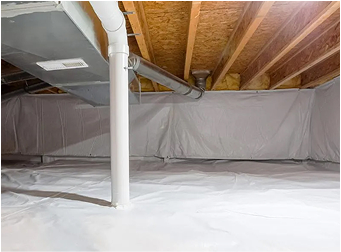
In many Hampton Roads homes, crawl spaces give mice and rats a protected place to move around beneath the house. Open or damaged foundation vents, gaps around pipes and utility lines, poorly sealed crawl space doors, and other openings can give them access. From there, rodents may remain underneath the house or find routes into wall voids and other parts of the home.
That’s why crawl space rodent activity is worth looking at as a whole. The rodents themselves matter, but so do the openings they may be using and whether activity extends beyond the crawl space.

Why Do Mice and Rats Get Into Crawl Spaces?
Crawl spaces offer something rodents naturally look for: shelter.
They’re dark, relatively quiet, and rarely disturbed. Depending on the crawl space, rodents may also find nesting material, water, insects, or access to other parts of the structure.
But a crawl space doesn’t have to be dirty or especially damp for rodents to use it. Access is often the bigger issue. If a mouse or rat can get through an opening around the foundation, the protected space beneath a house can be useful, whether conditions are pristine or not.
Moisture can contribute to pest activity, but it’s a separate issue worth evaluating on its own. If dampness, standing water, musty odors, or high humidity are part of what you’re noticing, our guide to damp crawl spaces and pest activity takes a closer look at that connection.
How Do Mice and Rats Get Into Crawl Spaces?
Rodents don’t need an obvious opening.
According to the CDC, a mouse can fit through an opening only about 1/4 inch wide—roughly the diameter of a standard pencil. That makes small gaps around a crawl space much more important than they may look to a homeowner.
Common access points include:
Damaged or unscreened foundation vents
Gaps around plumbing, electrical lines, HVAC components, and other utilities
Crawl space doors that don’t close tightly
Cracks or openings around the foundation
Damaged wood near the base of the house
Openings rodents have enlarged by gnawing
Gaps where different building materials meet
A missing vent screen or a small opening around a pipe can be easy to overlook from the outside. For a mouse, it may be all the room it needs.
Rats need somewhat more space, but they can also take advantage of foundation openings, damaged vents, utility penetrations, and crawl space access doors.
aces through surprisingly thin gaps.
What Does It Mean If You Have Rodents in the Crawl Space?
Finding rodent activity underneath your house does not automatically mean mice or rats are already running through your living space.
The question is whether the activity is limited to the crawl space. Openings around plumbing, wiring, ductwork, framing, or wall and floor voids may give rodents routes into other parts of the structure. They may also nest under the house and continue to travel outside for food.
That’s why crawl space activity shouldn’t be treated as completely separate from the rest of the home. An inspection can help determine where rodents are active, how they may be getting in, and whether there are other areas that need attention.
Can Rodents Move From the Crawl Space Into the House?
Yes. A crawl space can give mice and rats access to areas beneath floors and walls, and openings around pipes, wires, ductwork, and framing may provide routes farther into the structure.
That does not mean every rodent beneath a house will eventually end up in the kitchen. But once mice or rats have access underneath the structure, it makes sense to determine whether their activity is limited to the crawl space or extends elsewhere.
If you’re noticing broader pest activity as temperatures change, our guide to winter crawl space pests in Hampton Roads explains what else homeowners may encounter beneath their homes.
Signs of Rodent Activity Under a House
You may not actually see a mouse or rat. More often, homeowners notice evidence such as:
Droppings
Gnaw marks
Damaged insulation or other materials
Shredded material used for nesting
Scratching or movement beneath the floor
Rub marks near frequently used openings
Damage around vents and other openings
If you’re seeing signs in more than one area of the house, that can be especially useful information during a rodent inspection.
What Does Rodent Proofing a Crawl Space Involve?
Rodent-proofing, also called exclusion, focuses on closing the openings that mice and rats can use to get into a structure.
Around a crawl space, that could mean addressing damaged foundation vents, gaps around utilities, crawl space doors, holes in exterior materials, or other openings identified during an inspection.
It is not simply a matter of filling every visible crack with expanding foam. Rodents can gnaw through or dislodge materials that aren’t suited for exclusion, and vents and other structural components still need to function properly.
The more important question is which openings are actually giving rodents access and what is the appropriate way to close them.
Getem offers rodent exclusion services when potential entry points are identified during an inspection.
Is Sealing the Crawl Space Enough to Get Rid of Mice or Rats?
Not necessarily.
Closing access points can help keep new rodents from getting beneath the house, but it doesn’t tell you whether mice or rats are already active in the crawl space or elsewhere in the structure.
On the other hand, controlling rodents without looking at how they got in can leave the same openings available to future activity.
That’s why the right approach depends on what’s actually happening at the home. A rodent inspection may uncover:
Active mice or rats that need to be addressed
Openings around the crawl space or foundation
Activity extending into other parts of the house
Conditions that could make continued rodent activity more likely
Those findings help determine which parts of the problem need attention—current rodent activity, entry points, or both.
Rodent Control Should Look at the Whole Home
Crawl space rodent activity is rarely just about the mouse or rat you happen to see. It can involve active rodents, openings around the structure, and conditions that make it easier for new rodents to get under the house.
That’s why Getem Services considers the broader context when rodents are a concern. An inspection can help determine where mice or rats are active, how they may be getting in, and what type of service makes sense for the home.
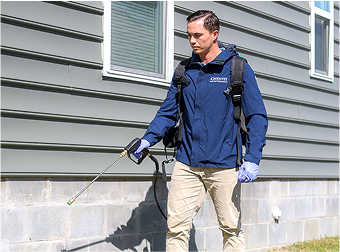
Getem’s home pest control plan includes mice and rats, along with many other common household pests, with quarterly exterior treatments and bait station checks and replenishment as needed. Interior service is also available when necessary.
If an inspection also identifies openings that need to be corrected, rodent exclusion services may be recommended to help close off access points around the home.
That means homeowners don’t have to think of rodent control as one service followed by another. The property, the activity, and the access points all help determine what makes sense for that particular home.
Get Help With Mice or Rats in Your Crawl Space
If you’re hearing movement beneath the floor, finding rodent droppings, or seeing other signs that mice or rats are using your crawl space, the next step is figuring out what’s happening beneath the home and how rodents are getting there.
Getem Services provides rodent inspections and pest control for homeowners in Norfolk, Virginia Beach, Chesapeake, and throughout Hampton Roads, with exclusion available when entry points need to be addressed.
Request a free quote today and let us take a closer look at what’s happening beneath your home.
Originally published January 17, 2024. Updated October 2026.


Additional Services



Get Help Now!
Request Your Free Quote